Business travel is an essential part of many executive and corporate careers. From attending client meetings and industry conferences to negotiating contracts and managing international teams, professionals often spend long hours traveling and working under demanding conditions. While these trips create valuable business opportunities, they can also lead to physical fatigue, muscle tension, and increased stress. A Business Trip Massage offers a practical way to maintain wellness while staying productive throughout every journey. 서울출장마사지 offers professional massage services directly at your hotel or accommodation.
This guide shares useful tips to help executives and corporate professionals get the most from Business Trip Massage services during work travel.
Why Business Travelers Need Regular Recovery
Corporate travel places unique demands on the body and mind. Long flights, extended meetings, unfamiliar hotel rooms, and changing time zones can gradually reduce energy and concentration.
Some of the most common challenges include:
- Neck and shoulder stiffness
- Lower back pain
- Tight leg muscles
- Mental fatigue
- Poor sleep quality
- Jet lag
- Stress from busy schedules
Taking time to recover allows professionals to perform at their best throughout the trip.
What Is a Business Trip Massage?
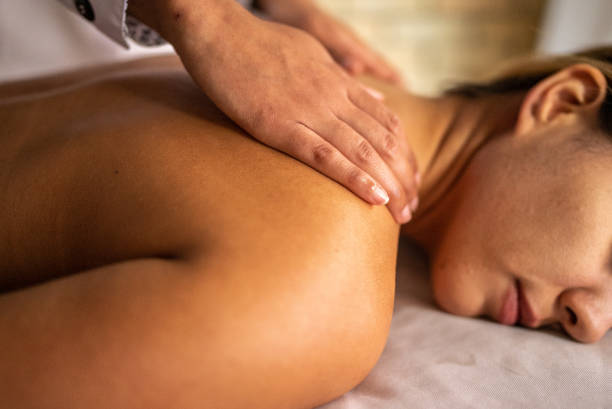
A Business Trip Massage is a professional massage service designed specifically for people traveling for work. Instead of visiting a spa, licensed therapists often provide treatments directly at hotels, serviced apartments, or corporate accommodations.
This convenient approach saves time while allowing travelers to relax in a comfortable environment.
Tip 1: Schedule Your Massage After a Busy Workday
Many executives benefit most from booking a massage after completing meetings or presentations.
An evening massage can help:
- Reduce muscle tension
- Calm the mind
- Improve sleep quality
- Prepare the body for the following day
Scheduling treatment after work responsibilities allows you to fully enjoy the relaxation.
Tip 2: Book Appointments in Advance
Business schedules can become busy quickly, especially during conferences or major corporate events.
Booking your Business Trip Massage ahead of time helps ensure:
- Preferred appointment times
- Availability of qualified therapists
- Better scheduling around meetings
- Less last-minute stress
Planning ahead makes your travel experience more organized.
Tip 3: Choose a Qualified Massage Therapist
Professionalism is essential when selecting a massage provider.
Look for therapists who have:
- Professional training
- Relevant certifications
- Experience working with business travelers
- Positive customer reviews
- Strong communication skills
A qualified therapist can customize the massage according to your individual needs.
Tip 4: Select the Right Massage Style
Different massage techniques provide different benefits.
Swedish Massage
Ideal for reducing everyday stress while promoting relaxation.
Deep Tissue Massage
Best for relieving chronic muscle tightness caused by frequent travel.
Aromatherapy Massage
Combines massage with essential oils to create a calming atmosphere.
Foot Massage
Perfect after long flights or extensive walking between meetings.
Full Body Massage
Provides complete muscle relaxation and overall recovery.
Selecting the right treatment improves the effectiveness of each session.
Tip 5: Stay Hydrated
Hydration plays an important role in overall wellness.
Drink plenty of water:
- Before your massage
- After your massage
- Throughout your business trip
Good hydration supports healthy circulation and helps your body recover more comfortably.
Tip 6: Communicate Your Needs
Every traveler experiences different areas of discomfort.
Before your massage begins, inform your therapist about:
- Neck pain
- Shoulder tension
- Lower back discomfort
- Previous injuries
- Areas requiring extra attention
Clear communication allows the therapist to personalize your treatment.
Tip 7: Dress Comfortably
Wear loose, comfortable clothing before and after your massage whenever possible.
Comfortable clothing makes it easier to relax and allows your muscles to remain comfortable after treatment.
Tip 8: Allow Time to Rest
Avoid rushing immediately back into work after your massage.
If possible, allow yourself:
- 15–30 minutes to relax
- Time to drink water
- A quiet environment
- An opportunity to enjoy the benefits of the session
Even a short recovery period can improve the overall experience.
Tip 9: Maintain Good Posture During Meetings
Massage works best when combined with healthy daily habits.
While attending meetings:
- Sit with proper posture.
- Stretch during breaks.
- Walk whenever possible.
- Avoid remaining seated for extended periods.
These habits help reduce muscle tension between massage sessions.
Tip 10: Make Massage Part of Your Travel Routine
Many experienced executives schedule massage appointments during every business trip rather than waiting until discomfort becomes severe.
Regular massage may help:
- Reduce accumulated muscle tension
- Improve flexibility
- Support healthy circulation
- Lower stress levels
- Improve sleep quality
- Enhance long-term wellness
Consistency often provides greater benefits than occasional treatment.
Choosing a Reliable Business Trip Massage Provider
When selecting a provider, consider:
- Licensed or qualified therapists
- Transparent pricing
- Positive customer reviews
- Professional communication
- Flexible appointment scheduling
- Hotel-based services
- Excellent hygiene standards
Choosing a reputable provider contributes to a safe and enjoyable experience.
Common Mistakes to Avoid
To maximize the benefits of your massage, avoid:
- Booking at the last minute during busy travel periods
- Ignoring existing injuries
- Skipping hydration
- Choosing providers without reviews
- Returning immediately to stressful work without relaxing afterward
Careful planning helps you enjoy the full value of your treatment.
Long-Term Benefits for Corporate Professionals
Executives who travel regularly often find that Business Trip Massage becomes an important part of their wellness strategy.
Over time, regular massage may contribute to:
- Better physical comfort
- Improved energy levels
- Reduced stress
- Greater workplace focus
- More consistent sleep
- Healthier travel routines
Maintaining wellness allows professionals to perform more effectively throughout demanding travel schedules.
Conclusion
Business travel requires professionals to remain focused, productive, and adaptable despite demanding schedules and frequent movement. A Business Trip Massage provides an effective way to relieve muscle tension, reduce stress, improve sleep, and support long-term well-being.
By planning massage appointments carefully, choosing qualified therapists, and incorporating healthy travel habits, executives and corporate professionals can enjoy more comfortable, productive, and balanced business trips.
Frequently Asked Questions
What is a Business Trip Massage?
A Business Trip Massage is a professional massage service designed for business travelers, often provided at hotels or private accommodations.
When should executives schedule a Business Trip Massage?
Many professionals choose evening appointments after meetings or after arriving from long flights to maximize relaxation and recovery.
Which massage is best for corporate travelers?
Swedish massage is ideal for relaxation, while deep tissue massage is commonly selected to relieve muscle tension caused by frequent travel.
How can I prepare for my massage?
Stay hydrated, wear comfortable clothing, communicate your needs to the therapist, and allow time to relax after the session.
Can Business Trip Massage improve work performance?
By reducing physical discomfort, lowering stress, and improving sleep quality, massage can help professionals maintain focus and productivity during business travel.
How often should frequent business travelers book massage sessions?
Many experienced travelers schedule one massage during each business trip, while those with demanding travel schedules may benefit from more regular sessions depending on their individual needs.