
Maintaining a clean roof is essential for protecting your home and extending the lifespan of your roofing materials. In Swindon, roofs are exposed to moss, algae, lichen, and dirt due to the climate and environmental factors. Two common roof cleaning methods are softwashing and pressure washing, each with its advantages and risks. This step-by-step guide explains these methods and why professional softwashing is often the safest choice for roofs in Swindon.
Step 1: Understanding Softwashing
Softwashing is a low-pressure cleaning method that uses a combination of water and eco-friendly cleaning solutions to remove moss, algae, lichen, and other organic debris. Unlike high-pressure washing, softwashing:
- Cleans the roof gently without damaging tiles
- Targets the root structure of moss and algae to prevent regrowth
- Restores the appearance of roof tiles safely
This method is ideal for roofs made of concrete, clay, or slate, which are commonly found on homes throughout Swindon.
Step 2: Understanding Pressure Washing
Pressure washing, also known as high-pressure cleaning, uses strong water jets to remove dirt and moss from the roof surface. While it can remove debris quickly, pressure washing carries significant risks:
- High-pressure water can crack or lift tiles
- It can strip protective coatings and reduce the roof’s lifespan
- Water can be forced under tiles, causing leaks and structural damage
Pressure washing may be suitable for certain hard surfaces but is generally not recommended for delicate or older roofs.
Step 3: Roof Assessment
Before cleaning, professionals conduct a thorough assessment of the roof to determine the safest and most effective method. This assessment includes:
- Roof type and material
- Age of the roof and tile condition
- Extent of moss, algae, or lichen growth
- Areas with shading or moisture retention
Proper assessment ensures the chosen method protects the roof and achieves the best results. Homeowners in Swindon trust Roof cleaning Swindon for thorough and safe cleaning of their roofs.
Step 4: Preparing the Roof
Safety is critical when cleaning roofs. Preparation includes:
- Using ladders, scaffolding, or mobile access platforms
- Installing safety harnesses and fall protection systems
- Protecting surrounding areas, plants, and gutters from debris and cleaning solutions
Preparation reduces the risk of accidents and protects both the property and workers.
Step 5: Cleaning the Roof
Using Softwashing
- Apply low-pressure water and safe cleaning solutions to the roof surface
- Treat moss, algae, and lichen at the root level to prevent regrowth
- Allow the solution to work before gently rinsing with water
- Inspect the roof for remaining debris and perform additional touch-ups if necessary
Using Pressure Washing
- High-pressure water is applied directly to the roof tiles
- Debris and moss are removed quickly from the surface
- The process must be controlled carefully to avoid tile damage
Professional companies often avoid pressure washing on roofs because of the risk of long-term damage.
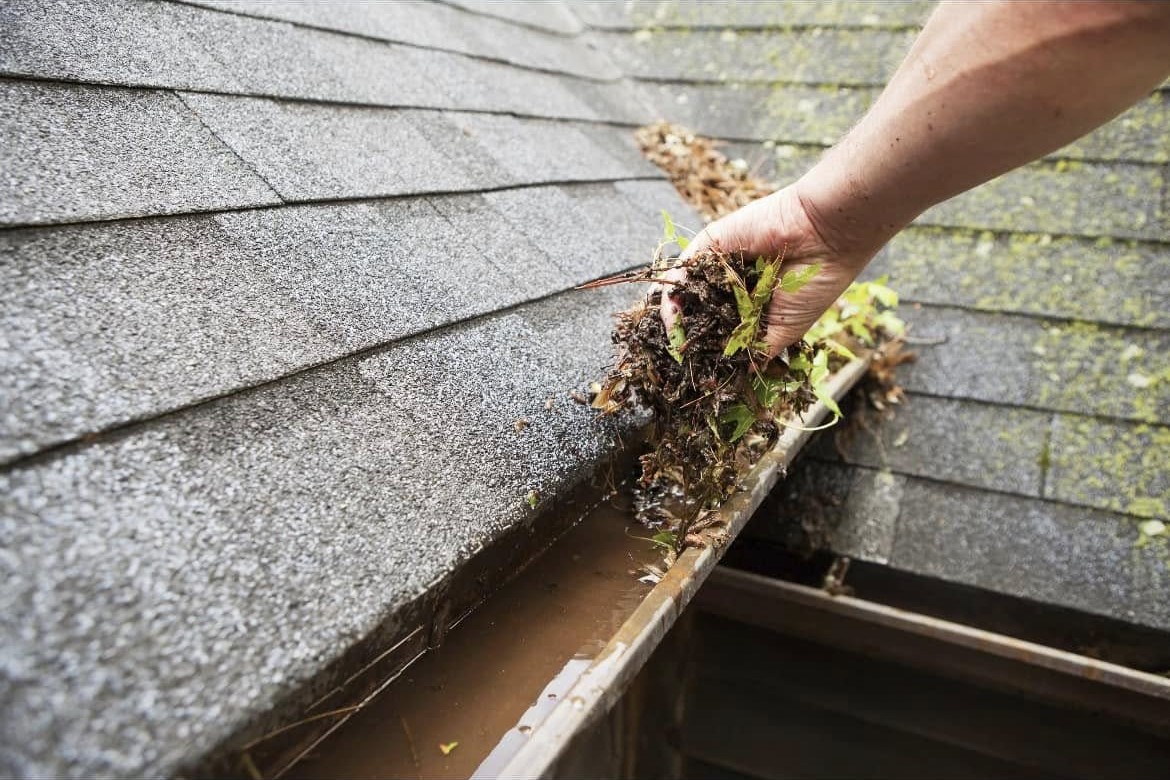
Step 6: Cleaning Gutters and Surrounding Areas
During roof cleaning, debris can fall into gutters and surrounding areas. Safe roof cleaning services include:
- Clearing gutters of moss and debris
- Ensuring proper drainage to prevent water damage
- Cleaning nearby surfaces to prevent staining or chemical residue
This step ensures the roof system functions efficiently and protects the home from water-related issues.
Step 7: Final Inspection and Maintenance Advice
After cleaning, a final inspection confirms that the roof is clean, undamaged, and safe. Professionals may provide advice on:
- Preventative treatments to slow moss regrowth
- Recommended cleaning intervals based on roof type and exposure
- Early signs of roof damage to monitor for future maintenance
Regular maintenance using softwashing ensures the roof remains protected and visually appealing.
Advantages of Softwashing over Pressure Washing
- Protects Roof Tiles – Gentle cleaning prevents cracking and lifting.
- Long-Term Effectiveness – Targets moss and algae roots to reduce regrowth.
- Safer for Older Roofs – Softwashing is suitable for fragile or aged tiles.
- Reduces Maintenance Costs – Minimizes risk of leaks, damage, and repairs.
- Environmentally Friendly – Uses safe cleaning solutions that do not harm plants or soil.
Conclusion
Softwashing and pressure washing are two methods for cleaning roofs, but softwashing is generally the safer and more effective choice for properties in Swindon. By using low-pressure water and safe cleaning solutions, softwashing removes moss, algae, and debris without damaging roof tiles, extends the lifespan of your roof, and prevents costly repairs. Professional roof cleaning services in Swindon combine proper assessment, safe cleaning techniques, and maintenance advice to ensure your roof remains durable, functional, and visually appealing for years to come.